Book Review: More Days at the Morisaki Bookshop

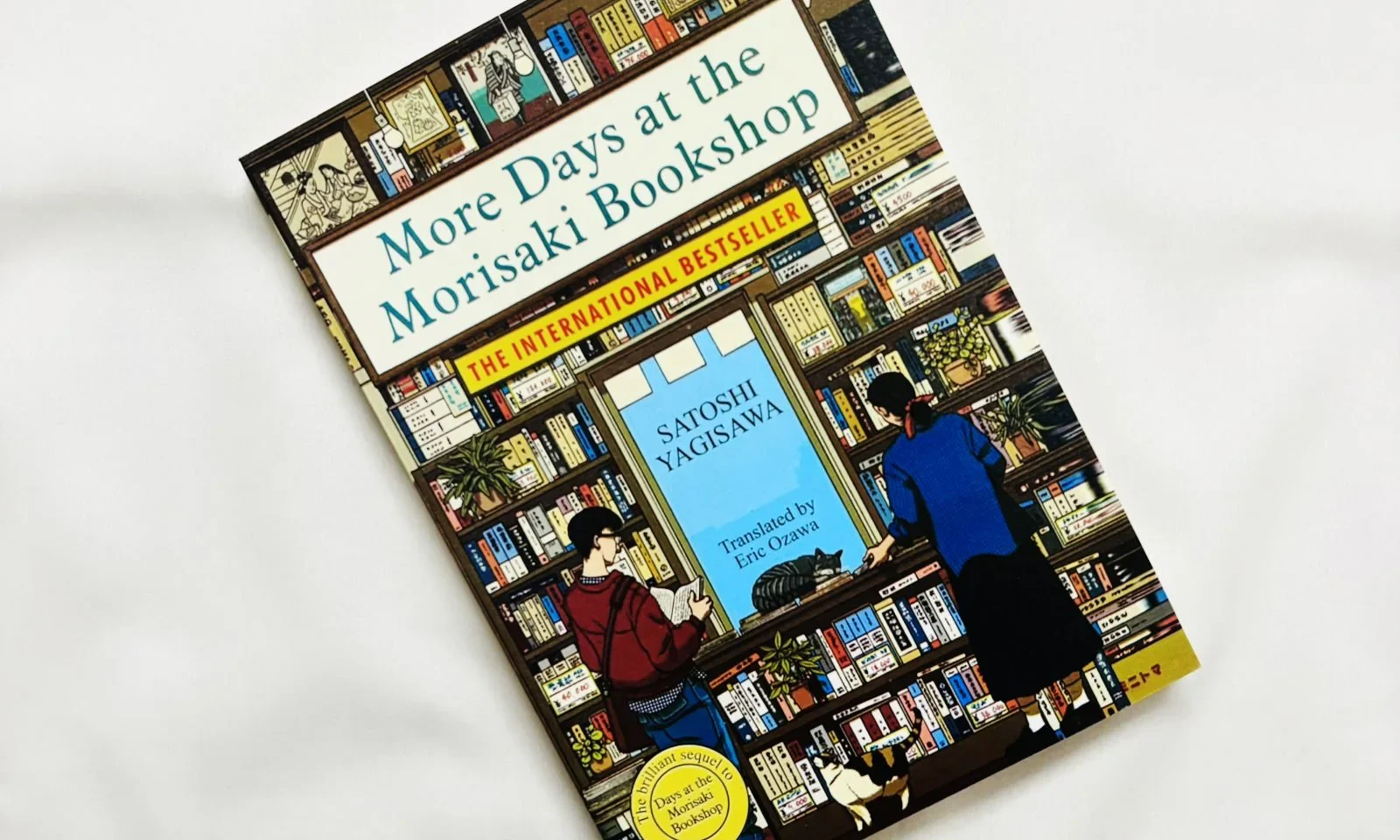
More Days at the Morisaki Bookshop is an incredible and heartbreaking sequel to the beloved The Day at the Morisaki Bookshop, and it somehow deepens the emotional resonance of the first book while standing firmly on its own. Returning to Jimbocho’s quiet, dusty bookshop feels like coming home—only this time, the story goes beyond Takako’s journey. It delves into the lives of others who’ve been touched by the bookshop’s quiet magic, revealing just how deeply a place can bind people together at an emotional level.
The Morisaki Bookshop isn’t just a building filled with books; it’s a living testament to the people who have passed through its doors, leaving pieces of themselves behind. Every creaking floorboard, every well-worn spine on its shelves seems to hold a story—not just of the books themselves but of those who once held them, cherished them, or found solace in their pages. It’s a place that carries the weight of lives lived, loves lost, and quiet moments shared. In this sequel, Yagisawa shows us how spaces like these aren’t just places of existence—they’re proof of those who came before, the memories they left behind, and the way those memories ripple into the lives of others.
The story takes us deeper into the relationships forged at the bookshop, exploring how a single space can become a refuge, a mirror, and a stage for the struggles, joys, and heartbreaks of the people who gather there. It’s incredible how Yagisawa captures the way places can hold so much emotion, as if the walls themselves remember the laughter, the tears, and the unspoken words of those who’ve been there. Through each character’s story, we’re reminded that sometimes, the places we think are quietest are the ones that speak the loudest to our hearts.
This sequel is heartbreaking in the best way because it doesn’t shy away from the realities of loss and change. It acknowledges the pain of saying goodbye—to people, to dreams, and even to the places we hold dear. Yet, it’s also a celebration of the ways we carry those memories forward, finding strength in them even when the world feels heavy. Takako’s journey continues here, but it’s also about others—about how their lives intersect at the bookshop, creating a tapestry of connection that’s both fragile and unbreakable.
Reading More Days at the Morisaki Bookshop feels like sitting with a dear friend who shares stories that make you laugh, cry, and think all at once. Yagisawa’s writing is as gentle and warm as ever, full of understated beauty that doesn’t need to shout to be heard. The sequel reminds us that places like the Morisaki Bookshop aren’t just settings for stories—they are stories, proof of lives that were lived, of love that was given, and of moments that mattered.
It’s a book that lingers long after you’ve closed it, making you think about the spaces that have shaped your own life. It’s a love letter to the idea that even the quietest corners of the world hold immeasurable value, not because of what they are but because of who they’ve held. For anyone who’s ever found meaning in a place—be it a bookshop, a café, or even a quiet bench in a park—this book will remind you why those spaces matter. And it’ll break your heart in the best possible way while doing so.

Ashwin
Full time developer and student. Open for work and collaborations. Ping me on Linkedin, I am open for chat. Trying to make good, a better.
More Posts